Simple explanation
The short answer
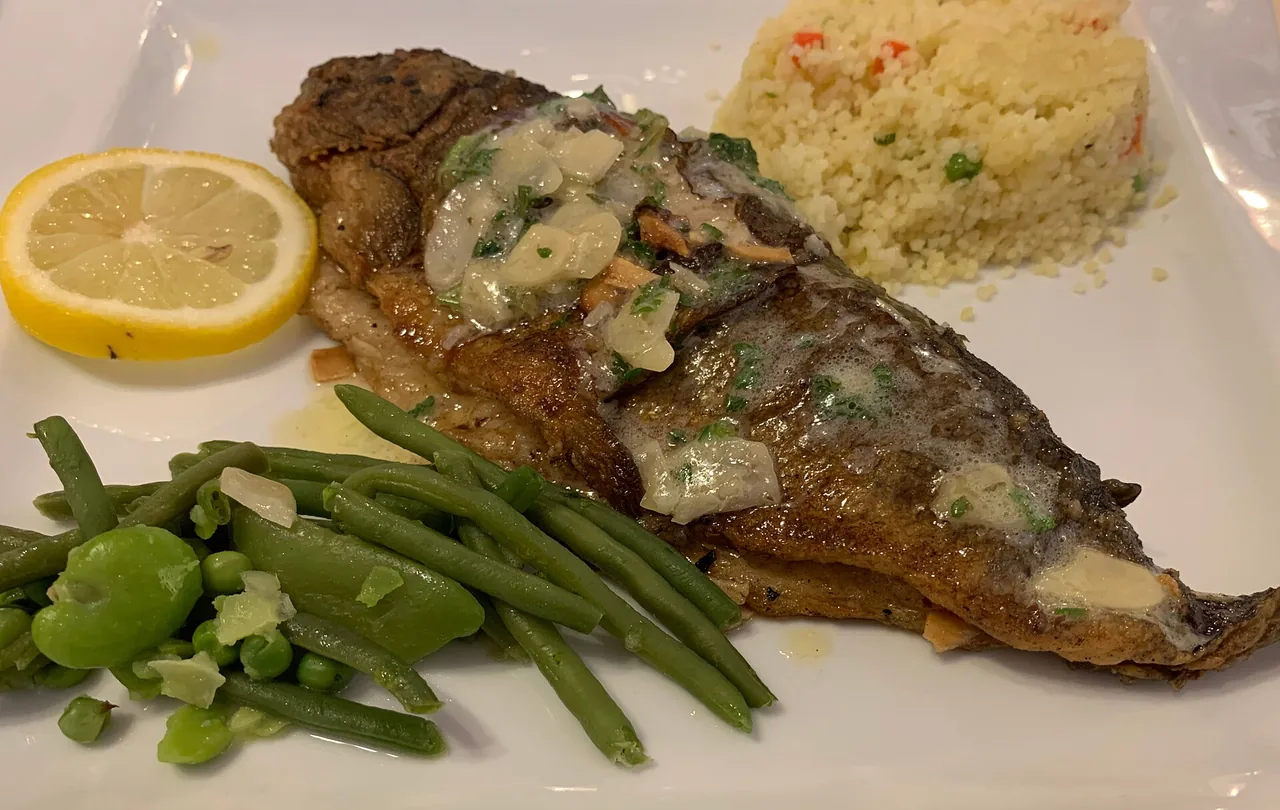
With fish and fresh herbs, pick a classic white Sancerre. When the fish comes with beurre blanc, choose a broader white with more texture, from a riper year, so the wine is not overpowered by the butter.
- 01Herbs and lemon: a bright, classic white.
- 02Beurre blanc or cream: a broader terres blanches white, or a richer cuvée.
- 03Sorrel sauce is a natural match for Sauvignon Blanc's green notes.
Go deeper
Why it works
Pike-perch (sandre) is the river fish most associated with the Loire, alongside trout and, in season, shad. Its flesh is lean, white and mild, so it rarely needs a powerful wine on its own. Parsley, chervil, chives and tarragon all sit comfortably beside Sauvignon Blanc's green, herbal register.
Beurre blanc changes the picture. It is a reduction of shallots, white wine and vinegar emulsified with a large amount of butter, so it is rich but also sharp. A wine with good acidity cuts the butter, and a wine with some texture matches its weight. A riper vintage or a more concentrated cuvée balances both sides.
Bottles to open
Which Sancerre to pour
Herb-led dishes suit fresh years such as 2021 and 2024. For beurre blanc or cream, pick a riper year such as 2018, 2019 and 2022.
- White · Estate-defining cuvéeAlphonse Mellot La Moussière
Limestone and marl together: a classic, versatile partner for herbed fish.
- White · Named-site bottlingDomaine Claude Riffault Les Boucauds
A marl-oriented cuvée with the breadth to meet beurre blanc.
- White · Selection cuvéeHenri Bourgeois Jadis
A more concentrated cuvée when the sauce is generous.
These are editorial suggestions built from the Library's wine and vintage notes, not tasting scores. Check that the producer released the bottle in the year you choose.
In the kitchen
Cook it for the wine
- Make the beurre blanc with the same Sancerre you plan to drink.
- Season with lemon zest rather than a lot of juice, so the wine does not taste flat.
- A sorrel cream sauce (the Troisgros classic with salmon) works equally well with white fish.
Editorial record
Sources & distinctions
We distinguish established fact, producer claims and editorial interpretation. Time-sensitive details should always be verified at source.
- Written by
- Sancerre Library editorial desk
- Last updated
- October 13, 2026
