Simple explanation
The short answer
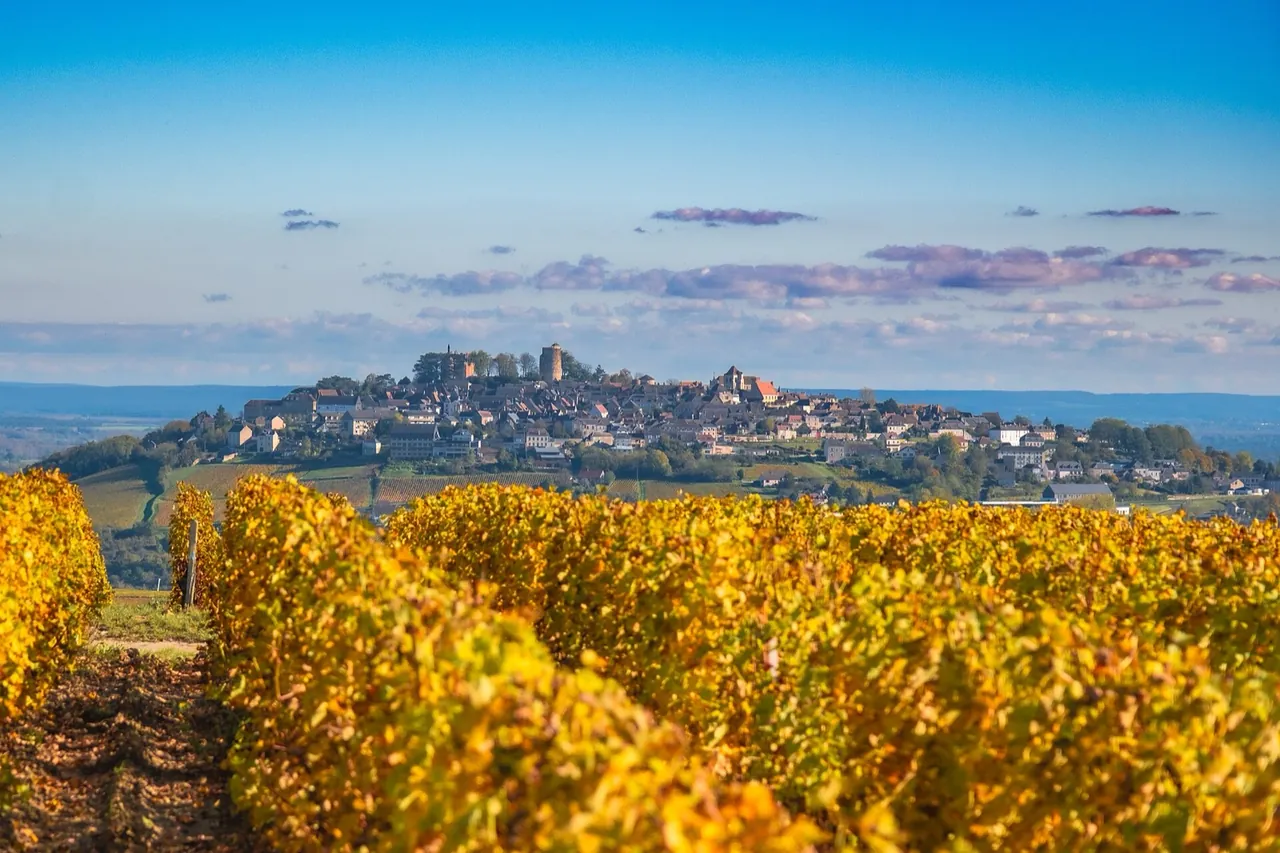
Sancerre is a protected wine appellation and place in France's Centre-Loire, not the name of a grape.
- 01Place before grape
- 02Fourteen communes
- 03Three soil families
Go deeper
The fuller picture
The colour tells you the grape. White Sancerre is Sauvignon Blanc; red and rosé Sancerre are Pinot Noir. According to the Centre-Loire wine council (BIVC), the white wines gained their appellation in 1936 and the reds and rosés in 1959.
The vineyard sits on the left bank of the Loire, east of Bourges, and runs across fourteen communes: Bannay, Bué, Crézancy-en-Sancerre, Menetou-Râtel, Ménétréol-sous-Sancerre, Montigny, Saint-Satur, Sainte-Gemme-en-Sancerrois, Sancerre, Sury-en-Vaux, Thauvenay, Veaugues, Verdigny and Vinon. Chavignol and Amigny, which turn up in estate addresses and site names, are hamlets inside the commune of Sancerre, not separate appellations.
The BIVC gives 3,053 hectares in production as a five-year average. The Union Viticole Sancerroise, the growers' union that runs sancerreaop.fr, describes a zone of about 10 by 15 kilometres worked by close to 300 families of growers. Both figures were checked on 13 September 2026.
Below the vines, the union describes three families of soil, set out broadly from west to east.
Terres blanches are Kimmeridgian marls, about 70 per cent clay and 30 per cent limestone, full of fossil shells and pale once they dry. They cover the highest, most westerly hills, around Sainte-Gemme-en-Sancerrois, Sury-en-Vaux, Verdigny, Chavignol, Amigny, Bué, Crézancy-en-Sancerre, Veaugues and Montigny, and account for about 40 per cent of the vineyard.
Caillottes are Oxfordian limestones, the oldest rock you can see in the landscape. They lie between the terres blanches and the town of Sancerre, their surface a litter of flat stones split by frost, and they make up another 40 per cent.
Silex soils are clay and flint formations from the Eocene, the youngest of the three. They follow the Loire along the high ground on the eastern side, at Sancerre, Saint-Satur, Ménétréol-sous-Sancerre and Thauvenay, and cover about 15 per cent.
Those shares describe the appellation as a whole, and one commune can hold more than one family: Sancerre's own territory takes in flint on its eastern heights and the terres blanches of Chavignol. Exposure and the grower's work also shape the wine, which is why this Library treats soil as a starting point, not a verdict.
Editorial record
Sources & distinctions
We distinguish established fact, producer claims and editorial interpretation. Time-sensitive details should always be verified at source.
- Sancerre wines: villages, area in production and soils (BIVC, Vins du Centre-Loire) ↗
- Le vignoble de Sancerre et ses vins (Union Viticole Sancerroise, sancerreaop.fr) ↗
- Sancerre, une géodiversité unique (Union Viticole Sancerroise, sancerreaop.fr) ↗
- Commune boundaries: API Découpage administratif, IGN Admin Express (geo.api.gouv.fr) ↗
- Chavignol and Amigny as localities of Sancerre: Base Adresse Nationale ↗
- Course of the Loire: OpenStreetMap contributors (ODbL) ↗
- Written by
- Sancerre Library editorial desk
- Last updated
- September 13, 2026
