Simple explanation
The short answer
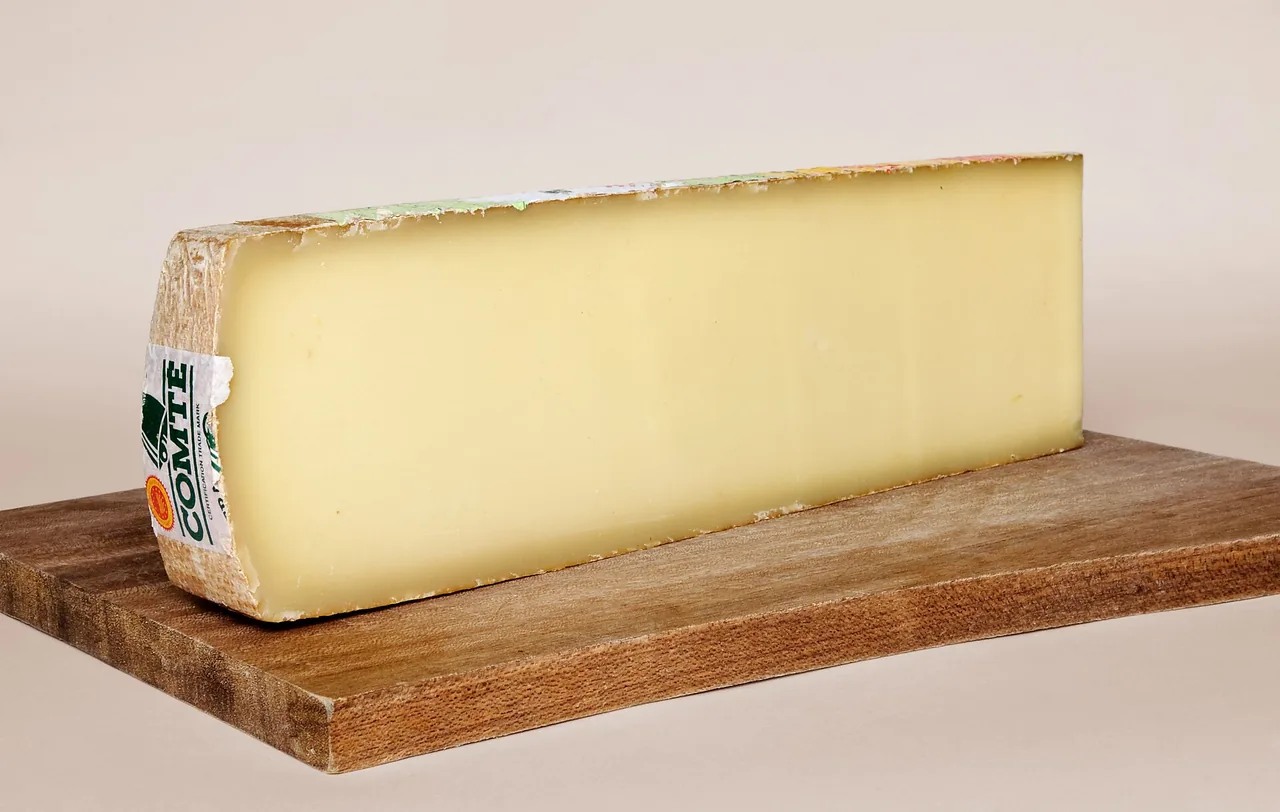
Open a white Sancerre with several years of bottle age alongside Comté, Beaufort or another firm, nutty cheese. The wine's developed savoury notes meet the cheese, and its acidity cuts the richness. Red wine is often less successful here.
- 01Older white Sancerre and nutty cheese share savoury, toasty notes.
- 02Chavignol's terres blanches sites are the ones most often followed across bottle age.
- 03White wine generally works better than red with hard cheese.
Go deeper
Why it works
Young Sancerre is defined by fresh fruit and acidity. With five, ten or more years in bottle, the best examples, often from the marl slopes of Chavignol, develop notes described as honey, toast, beeswax and dried herbs, while keeping their acidity. That profile suits cheeses such as Comté and Beaufort, which have crystalline texture, salt and flavours of nuts and browned butter.
Red wine's tannin often clashes with hard cheese and makes it taste chalky. A white with acidity and age is the more reliable match, and it is a good way to show guests that Sancerre can age.
Bottles to open
Which Sancerre to pour
Look for bottles from 2014 or 2015, which now have significant bottle age, or from 2018 and 2019 for a slightly younger but richer version. Recent vintages are too young to show the savoury notes.
- White · Named-site bottlingFrançois Cotat La Grande Côte
A Chavignol site often followed across bottle age.
- White · Named-site bottlingDomaine Thomas-Labaille Les Monts Damnés
Another reading of the Monts Damnés slope, with age.
- White · Selection cuvéeAlphonse Mellot Edmond
A cellar-minded selection cuvée for the richest cheeses.
These are editorial suggestions built from the Library's wine and vintage notes, not tasting scores. Check that the producer released the bottle in the year you choose.
Build the board
What to put out
- Comté aged 18 months or more, or Beaufort d'alpage.
- An aged Gouda or Mimolette for contrast.
- Walnuts, hazelnuts and slices of pear.
- Avoid sweet jams, which make a dry white taste sour.
Editorial record
Sources & distinctions
We distinguish established fact, producer claims and editorial interpretation. Time-sensitive details should always be verified at source.
- Written by
- Sancerre Library editorial desk
- Last updated
- October 13, 2026
