Simple explanation
The short answer
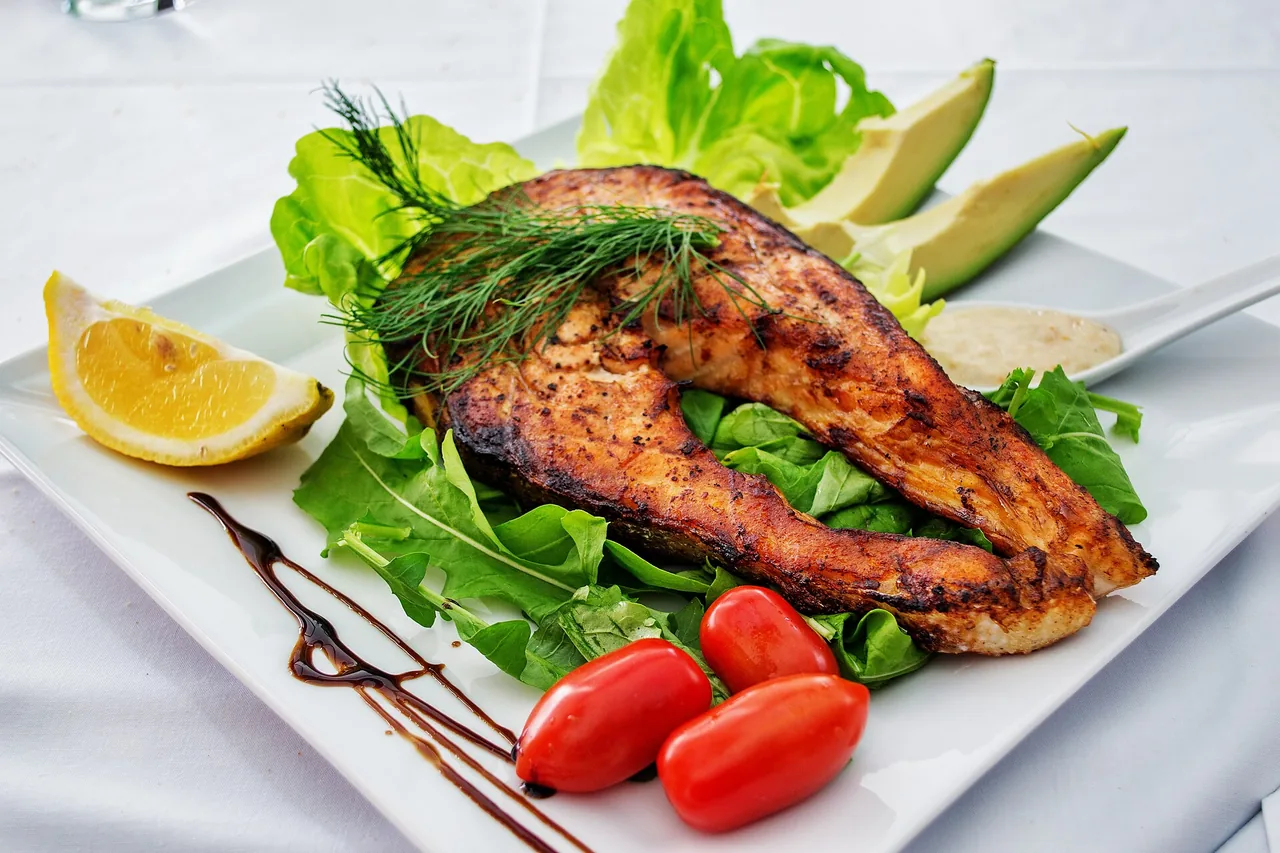
Try a cool Sancerre Rouge or a dry rosé with salmon and seared tuna. The red's low tannin does not clash with fish, and its red fruit meets the richer flesh. A ripe white also works, especially with a herb or butter sauce.
- 01Light red with fish works when tannin is low; Sancerre Rouge qualifies.
- 02Seared tuna: red or rosé. Poached salmon with herbs: white.
- 03Soy, miso or teriyaki glazes push towards rosé or red.
Go deeper
Why it works
The old rule of white wine with fish breaks down with salmon, tuna and swordfish. Their flesh is firm and oily, and they are often grilled or seared, which adds browned flavour. Strong tannin can make fish taste metallic, but Sancerre Rouge is light enough to avoid the problem.
Rosé is the safe middle ground: dry, fresh, with red-fruit flavour and no tannin to speak of. A ripe white from a warm vintage is still the better choice for poached salmon, salmon with sorrel or dill sauce, and anything with butter.
Bottles to open
Which Sancerre to pour
For the red, choose a ripe year such as 2018, 2019 or 2022; avoid the more variable 2024 reds unless you know the producer. For rosé, the most recent good year is best, such as 2023 or 2024.
- Red · Named cuvéeDomaine Vacheron Belle Dame
A serious Sancerre Pinot Noir for seared tuna.
- Producer rangeSancerre rosé from Domaine Vacheron
Dry Pinot Noir rosé for glazed or grilled salmon.
- White · Named-site bottlingDomaine Claude Riffault Les Boucauds
A ripe marl white for salmon with sorrel or dill.
These are editorial suggestions built from the Library's wine and vintage notes, not tasting scores. Check that the producer released the bottle in the year you choose.
At the table
Match the cooking
- Seared tuna with a pepper crust: Sancerre Rouge, served cool.
- Grilled salmon with a miso or soy glaze: rosé.
- Salmon with sorrel sauce or dill: a ripe white.
- Swordfish with olives and tomatoes: rosé or a light red.
Editorial record
Sources & distinctions
We distinguish established fact, producer claims and editorial interpretation. Time-sensitive details should always be verified at source.
- Written by
- Sancerre Library editorial desk
- Last updated
- October 13, 2026
