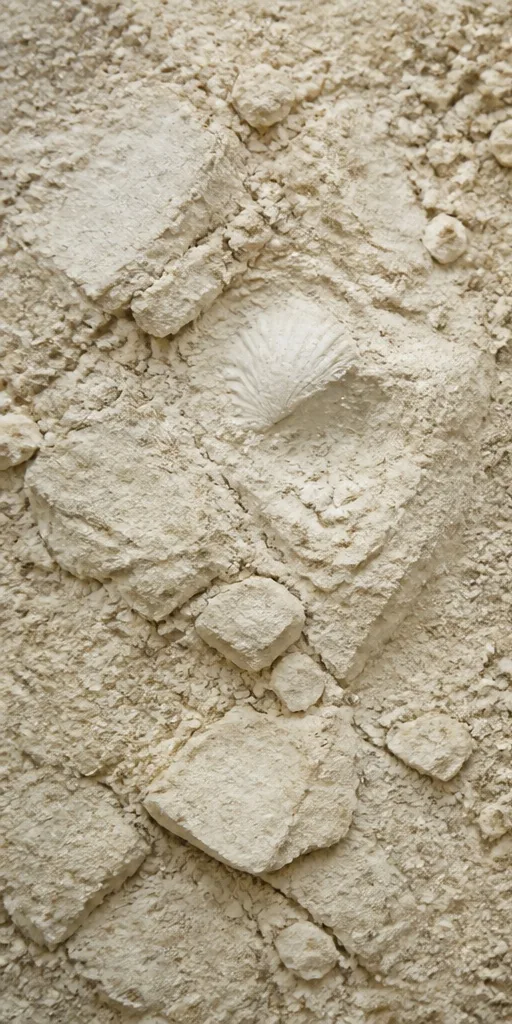
Pale marl and limestone
Terres Blanches
Clay-limestone marl, visibly pale in many parcels and concentrated especially in the western part of the appellation.
搜索图书馆 涵盖生产者、葡萄酒、村庄、葡萄园、土壤与年份。
The ground beneath the wine
Explore Sancerre's three broad soil families while keeping exposure, elevation, vintage, farming and cellar work in the picture.
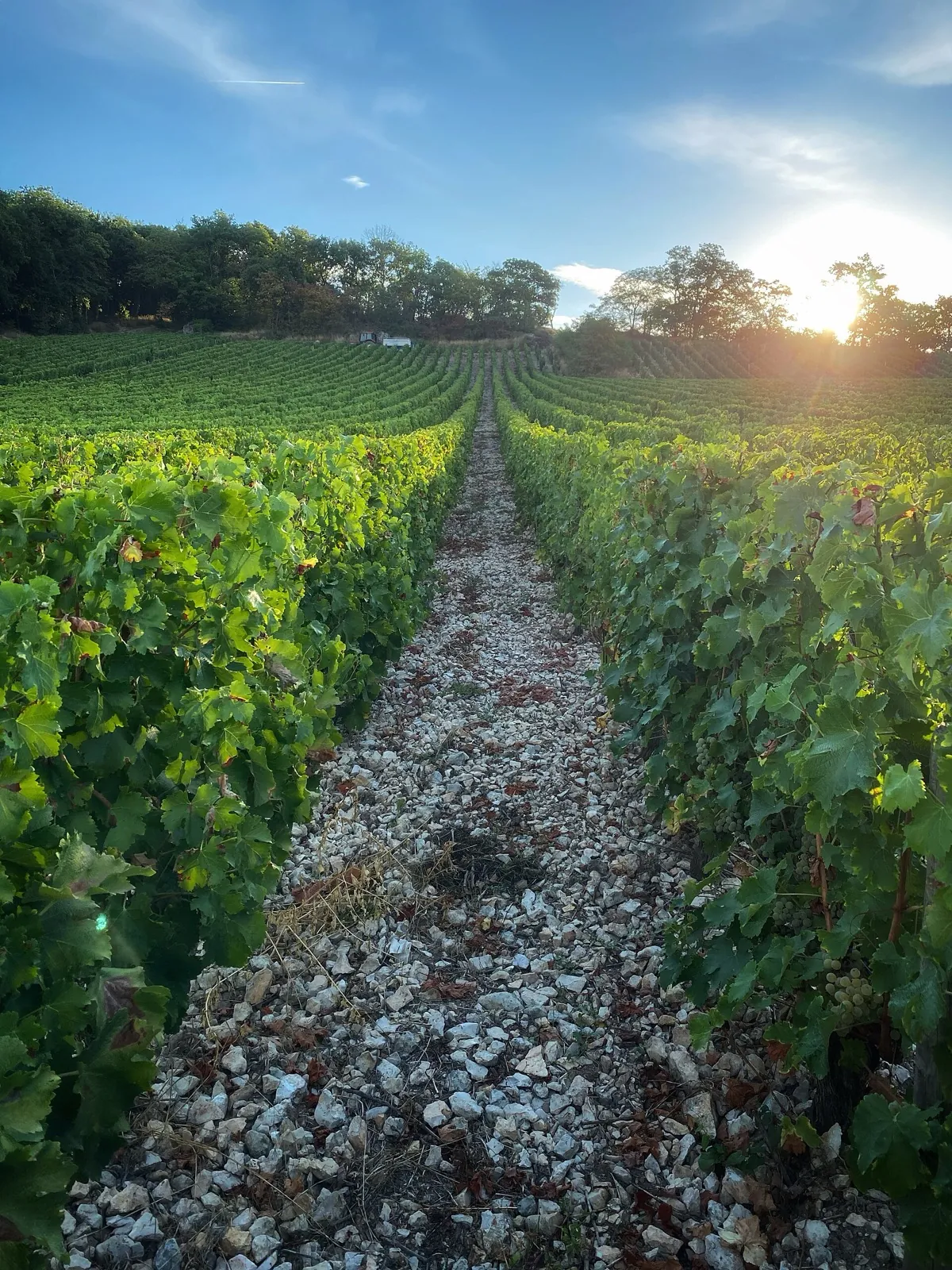
Browse the collection
Pale marl and limestone
Clay-limestone marl, visibly pale in many parcels and concentrated especially in the western part of the appellation.
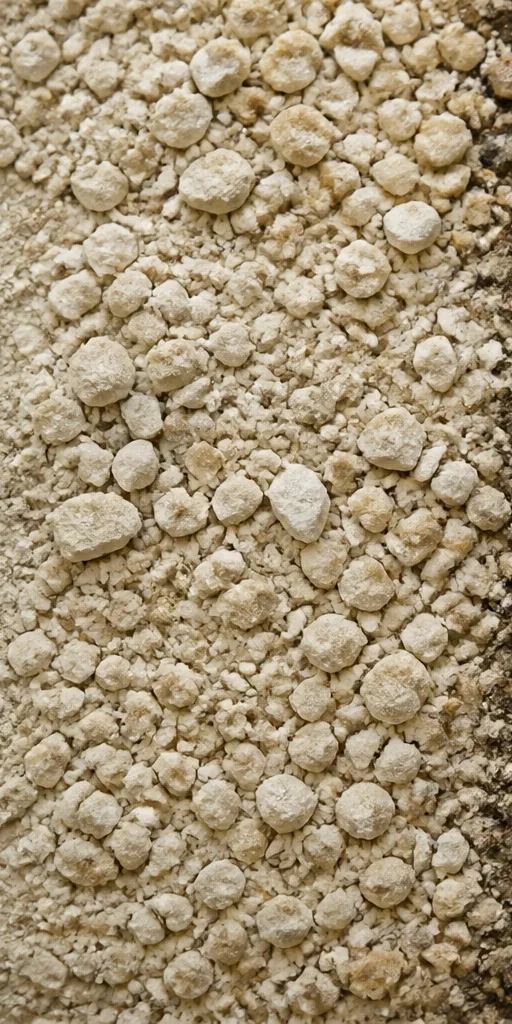
Stony limestone ground
Limestone soils marked by many small pale stones at the surface; the regional vocabulary also includes the term cris.
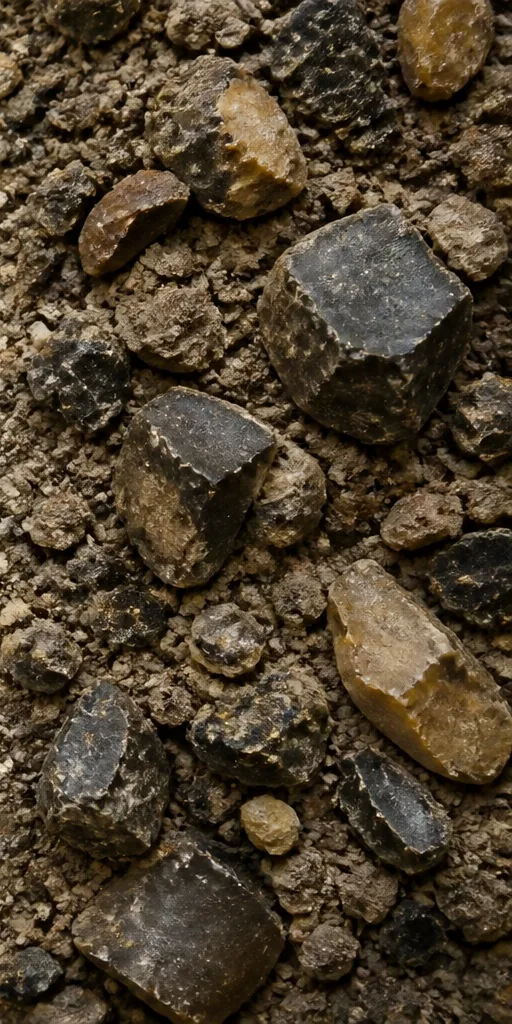
Flint with clay and silica
Clay-siliceous soils containing flint, called chailloux or silex in the appellation's local vocabulary.
No entries match those filters. Clear a filter and try again.
West to east
The Union Viticole Sancerroise, the growers' union, places terres blanches on the western hills, caillottes between them and the town of Sancerre, and silex on the high ground beside the Loire.
Open the commune mapLicences and file details for every image: Image credits.
.jpg)