Simple explanation
The short answer
Choose a precise, unoaked white Sancerre. It refreshes the palate between pieces, matches the clean taste of raw fish, and works with ponzu, shiso and yuzu. Go easy on wasabi and sweet sauces.
- 01White fish and shellfish sashimi: the leanest flint wine.
- 02Salmon, tuna belly and mackerel: a fuller white, or a Sancerre rosé.
- 03Use soy lightly; sweet eel sauce and lots of wasabi fight the wine.
Go deeper
Why it works
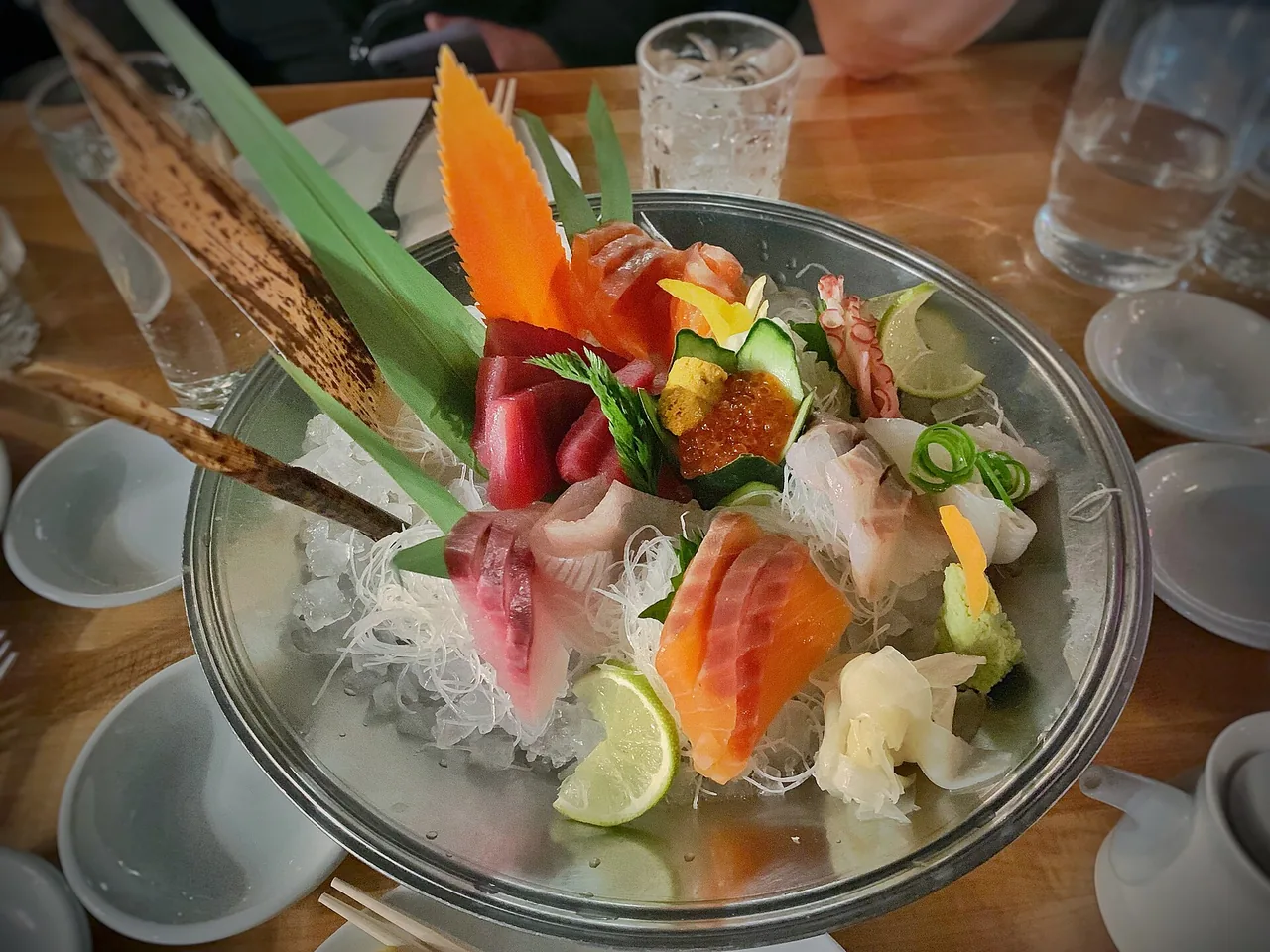
Sushi is about clean, delicate flavours and texture: sweet raw fish, seasoned rice, a touch of salt from soy sauce and a bright note from citrus or pickled ginger. A high-acid white without oak works like a squeeze of yuzu.
Fattier fish such as salmon, toro and mackerel can take a little more weight. A riper white or a dry Sancerre rosé from Pinot Noir is good there, because its red-fruit edge flatters the oilier flesh.
Bottles to open
Which Sancerre to pour
Fresh years such as 2014, 2021 and 2024 are ideal for white fish. A 2022 or 2023 works for salmon and tuna.
- White · Soil-focused cuvéeDomaine Delaporte Silex
Firm and linear, for white-fish sashimi.
- White · Named-site bottlingDomaine Vincent Pinard Chêne Marchand
Bright but rounder, for salmon nigiri and crab maki.
- Producer rangeSancerre rosé from Pascal Cotat
A dry Pinot Noir rosé for tuna and fatty fish.
These are editorial suggestions built from the Library's wine and vintage notes, not tasting scores. Check that the producer released the bottle in the year you choose.
At the table
Piece by piece
- Sea bream, sea bass, scallop or squid sashimi: a lean flint white.
- Salmon or tuna nigiri: a fuller white, or rosé.
- Crab or prawn maki with avocado: a rounder limestone white.
- Tempura alongside: any white Sancerre works, as the acidity cuts the batter.
Editorial record
Sources & distinctions
We distinguish established fact, producer claims and editorial interpretation. Time-sensitive details should always be verified at source.
- Written by
- Sancerre Library editorial desk
- Last updated
- October 13, 2026
