Um guia independente das pessoas, dos lugares e dos vinhos de Sancerre.

Os nossos padrões editoriais

An independent wine library

Understand Sancerre
from the ground up.

Explore the wines, producers, vineyards, villages, soils, vintages and people behind one of the world’s most distinctive wine regions.

Explore the appellation

The lay of the land

Fourteen communes.
One appellation.

Sancerre is not a single hill or a single style. The production area runs across fourteen communes on the left bank of the Loire, from flint on the heights above the river to the pale marl hills in the west.

Commune boundaries from IGN Admin Express via geo.api.gouv.fr and the Loire from OpenStreetMap contributors (ODbL), both retrieved 13 September 2026. Vines cover only part of each commune.

Read the communes and soils guide Browse the villages
The fourteen communes of the Sancerre appellationCommune boundaries, west of the Loire: Bannay, Bué, Crézancy-en-Sancerre, Menetou-Râtel, Montigny, Ménétréol-sous-Sancerre, Saint-Satur, Sainte-Gemme-en-Sancerrois, Sancerre, Sury-en-Vaux, Thauvenay, Veaugues, Verdigny, Vinon. Chavignol and Amigny are marked as hamlets.BannayBuéCrézancy-en-SancerreMenetou-RâtelMénétréol-sous-SancerreMontignySainte-Gemme-en-SancerroisSaint-SaturSancerreSury-en-VauxThauvenayVeauguesVerdignyVinonBannayBuéCrézancy-en-SancerreMenetou-RâtelMénétréol-sous-SancerreMontignySainte-Gemme-en-SancerroisSaint-SaturSancerreSury-en-VauxThauvenayVeauguesVerdignyVinonChavignolAmignyLoire05 kmN

Read the landscape

Explore by soil

Three broad geological families help organize the appellation. They are a beginning, never the whole explanation of a wine.

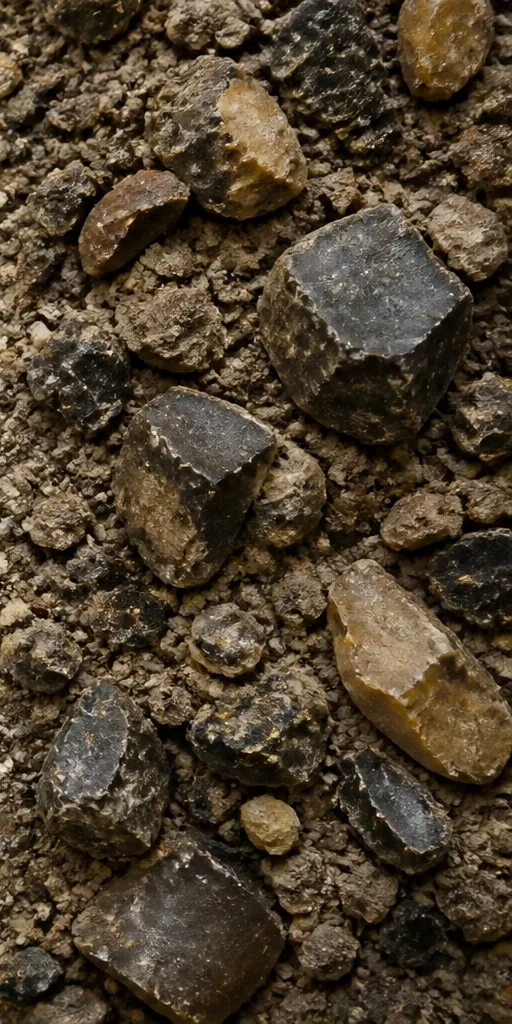
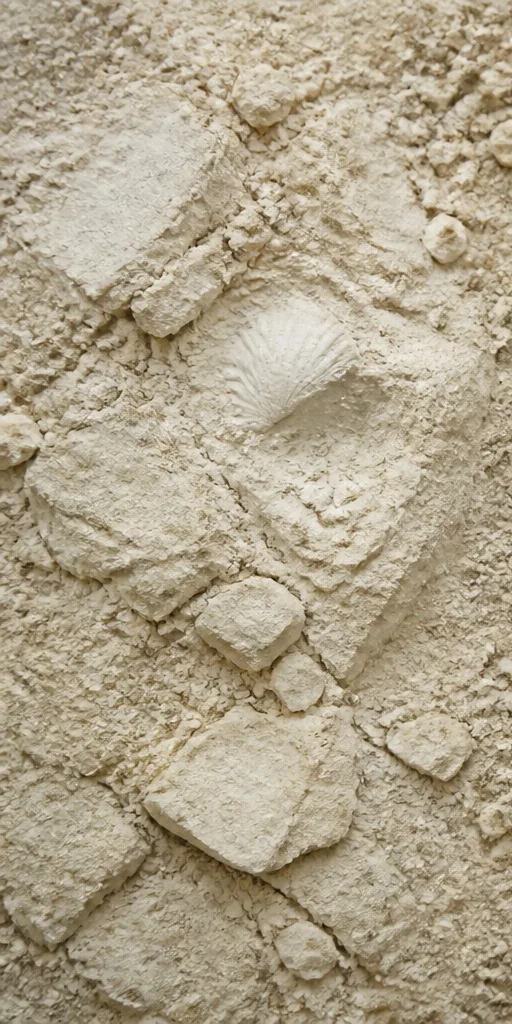
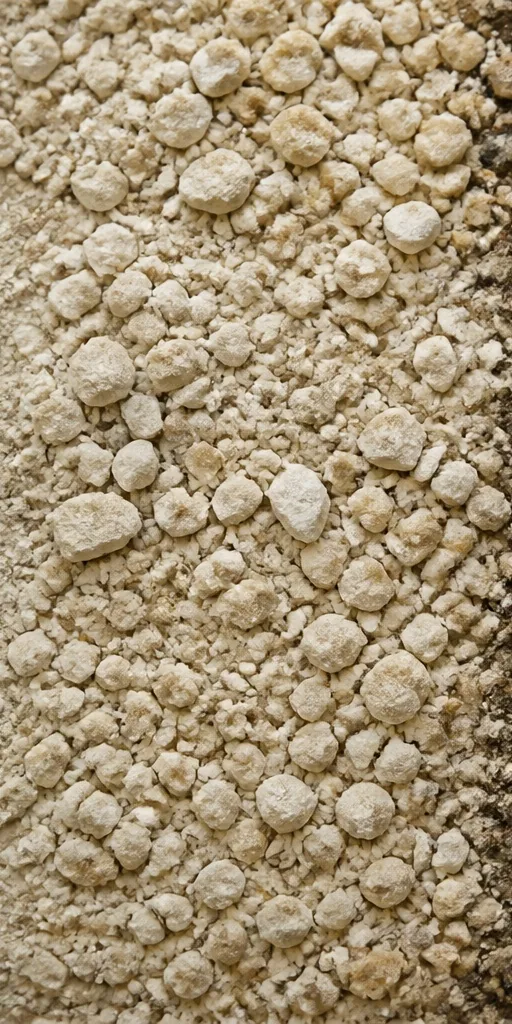
Illustrated study of pale terres blanches marl

Soil family 01

Terres Blanches

Clay-limestone marl, visibly pale in many parcels and concentrated especially in the western part of the appellation.

Geology
Commonly described in regional literature as Kimmeridgian marl and limestone; individual parcels are more complex than a single label.
Found around
Most strongly associated with the western hills of Sancerrois.
Explore Terres Blanches

A necessary note: soil does not determine flavor on its own. Exposure, elevation, vine age, vintage, farming, harvest timing and cellar choices all shape expression.

People of the appellation

Producers to know

Each profile places the estate in its commune and connects it to soils, named sites and wines, with every fact linked to its source.

Sancerre

Pascal Cotat

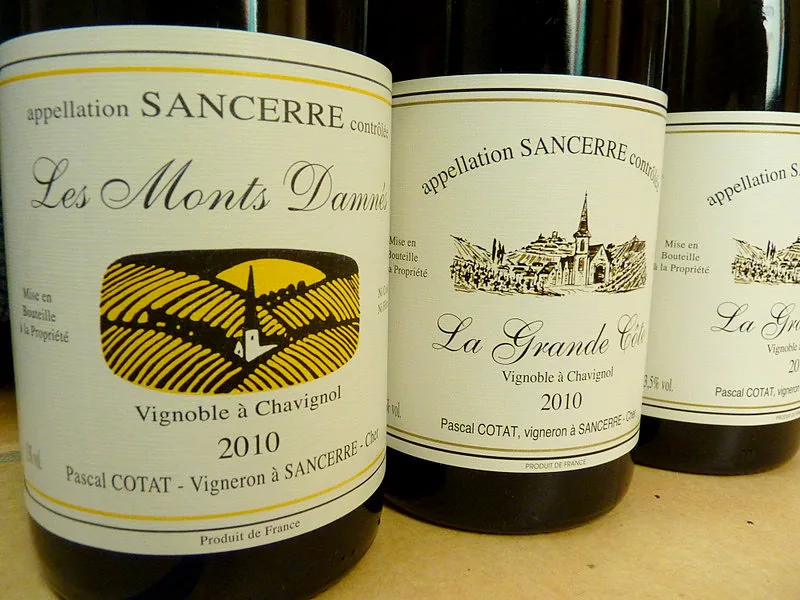
A small domaine with its cellar in the town of Sancerre, making Sauvignon Blanc from its parcels in Les Monts Damnés and La Grande Côte.

Terres Blanches
View producer profile
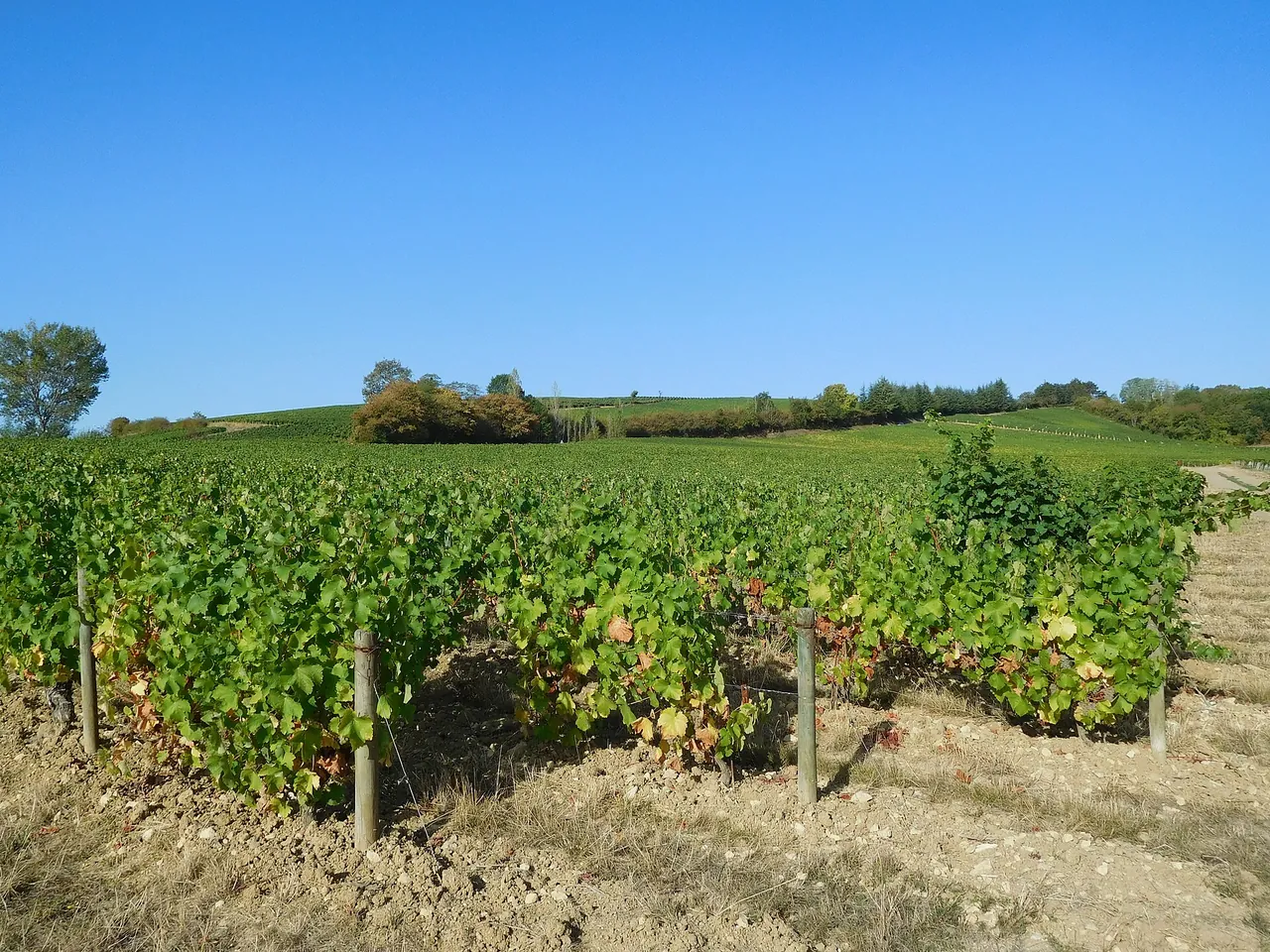
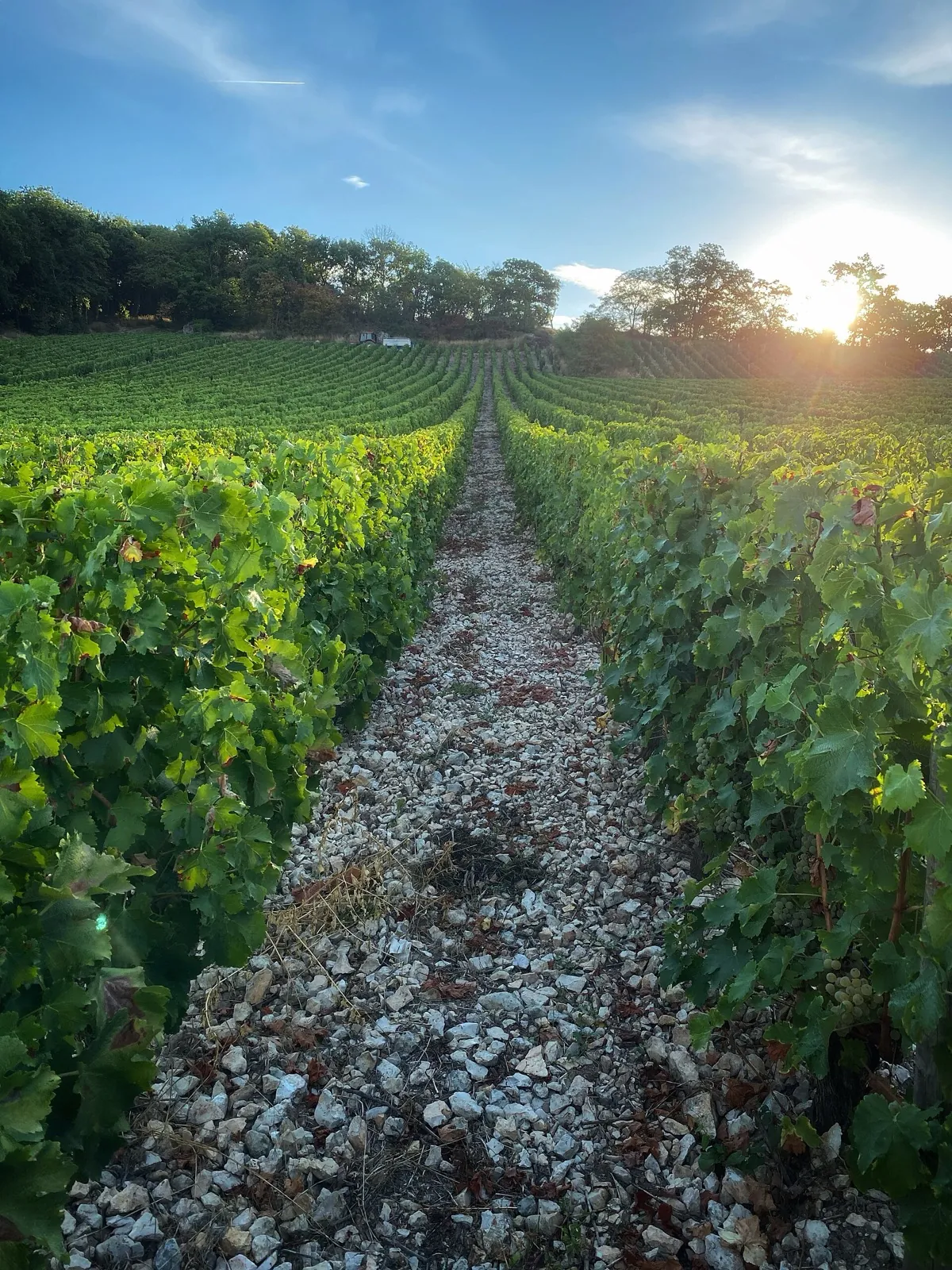
Vines at Verdigny in September, shortly before the harvest

Season by season

The vintage chart

A concise view of growing conditions and broad character, without pretending a regional season can be reduced to one score.

Recent Sancerre vintages: season notes and editorial status
VintageProfileThe seasonEditorial statusOpen
2025 Very Early Very early overall; dry May and June reduced disease pressure, while a 23 July hailstorm affected parts of Sancerre and nearby vineyards. Provisional — unassessed →
2024 Fresh Exceptionally wet and difficult, with intense mildew pressure and a late harvest. Early bottle overview →
2023 Fruit-Led Fast spring growth, recurring fungal pressure and a warm finish to ripening. Developing overview →
2022 Solar A historically dry, hot summer moderated by timely pockets of rain. Retrospective overview →
2021 Cool Severe spring frost followed by a cool, wet and labor-intensive season. Retrospective overview →
2020 Early A warm cycle and one of the region's notably early harvests. Retrospective overview →
2019 Concentrated Dry, with repeated heat episodes and a demanding summer in the vines. Retrospective overview →

Compare two years

How did the seasons differ?

Photo credits for this page (14)
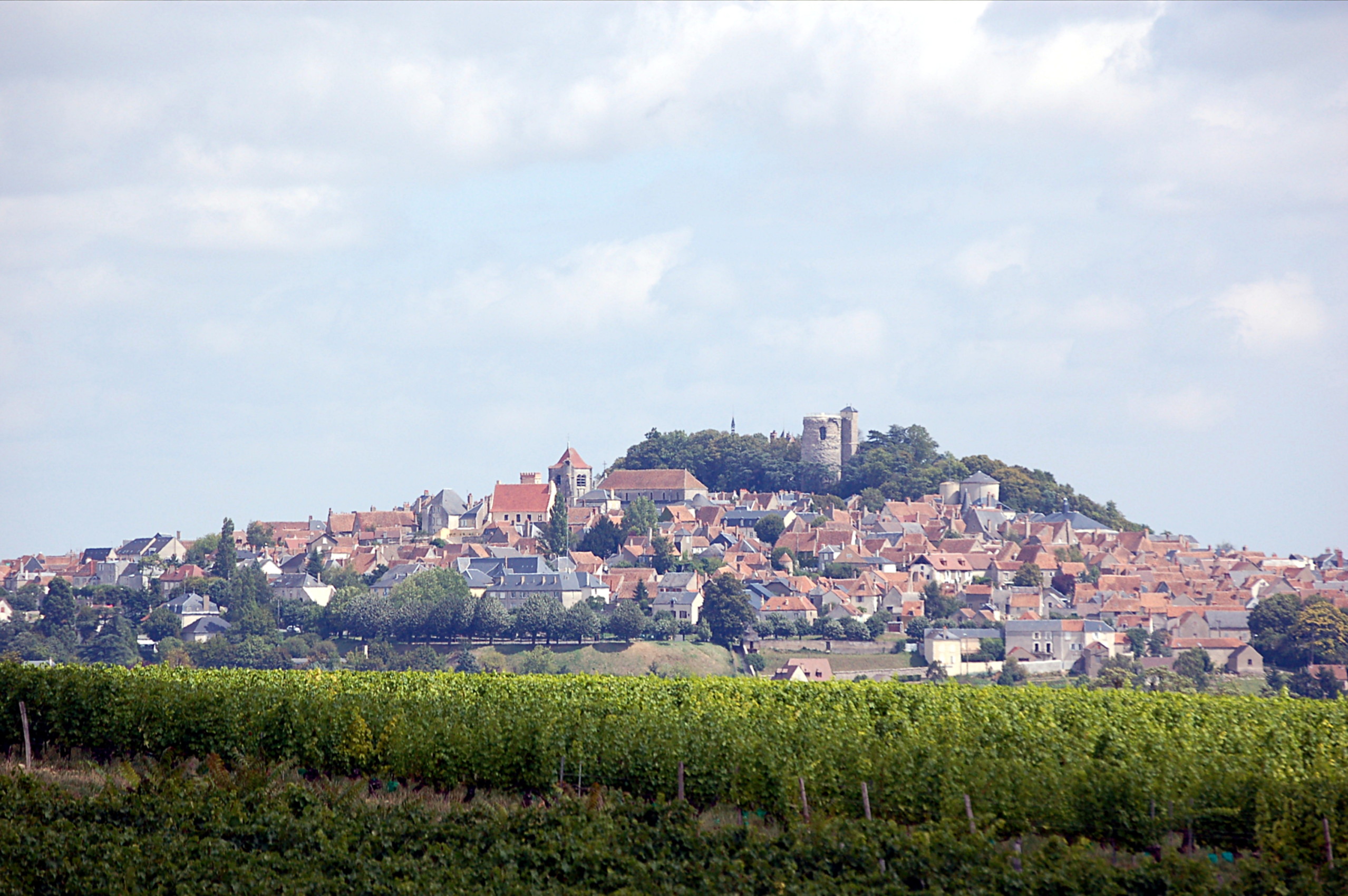
  1. Sancerre, view from the south Taxiarchos228 CC BY-SA 3.0
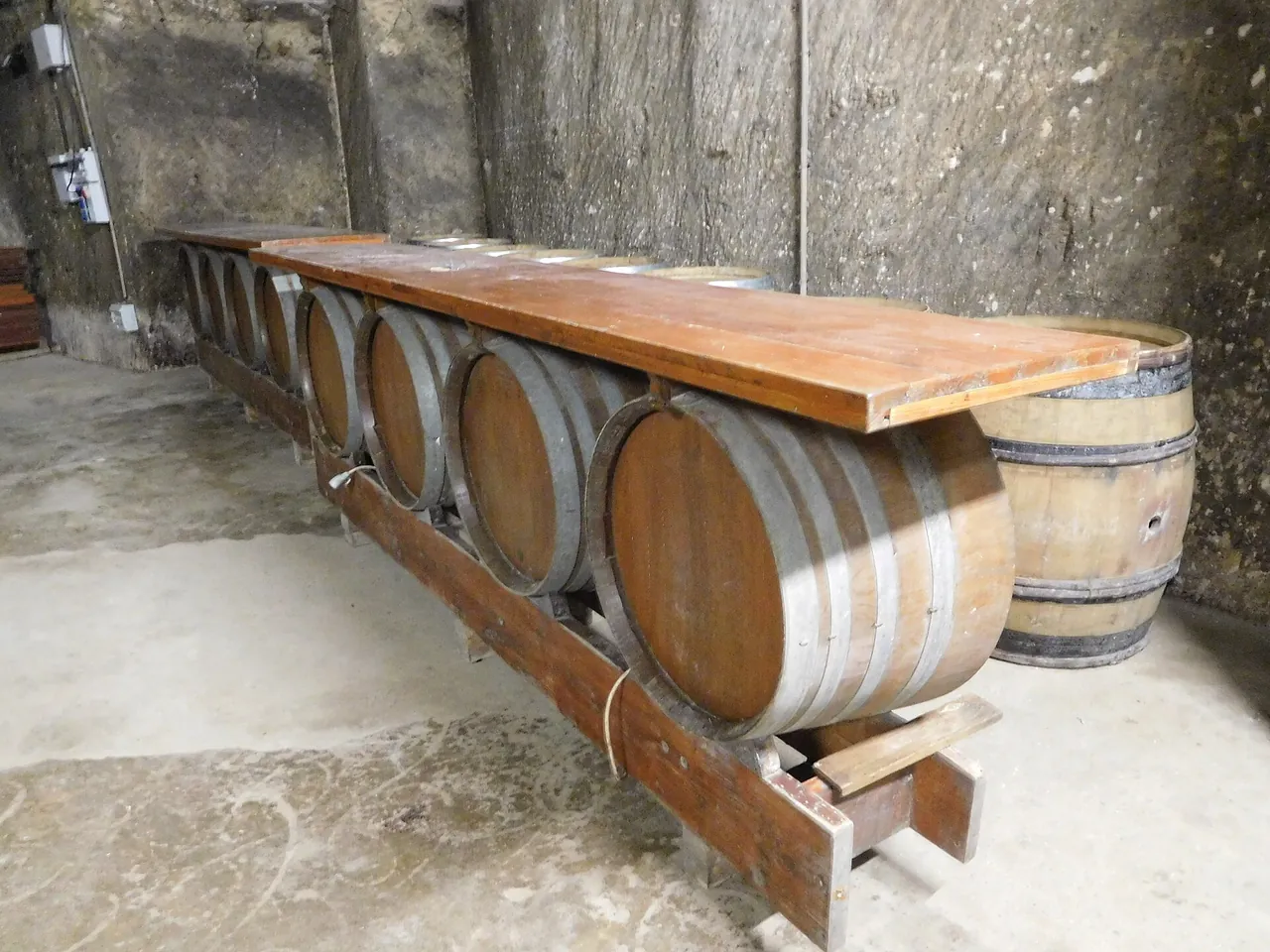
  2. Rallye des vignobles 2019, 37, Caves de la Mignonne, barriques Cjp24 CC BY-SA 4.0
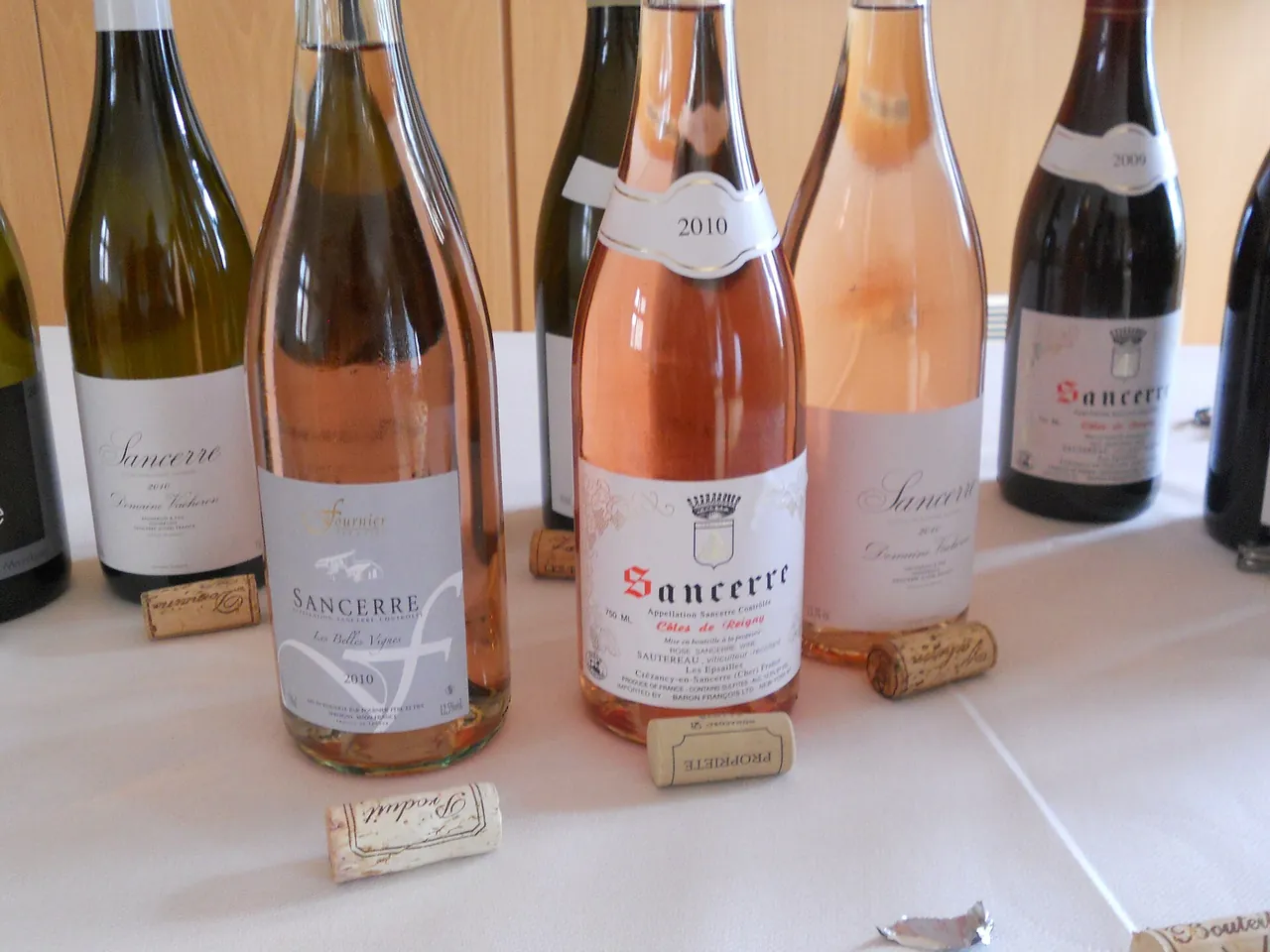
  3. AOC sancerre rosé jamesonf CC BY 2.0
  4. Sancerre vu depuis Chavignol Cjp24 CC BY-SA 4.0
  5. 2010 Chavignol, Sancerre Vincent Granouillac CC BY-SA 4.0
  6. Parcelle "Les Ruchons" - Sancerre (vendanges 2022) Henribourgeois CC BY 4.0
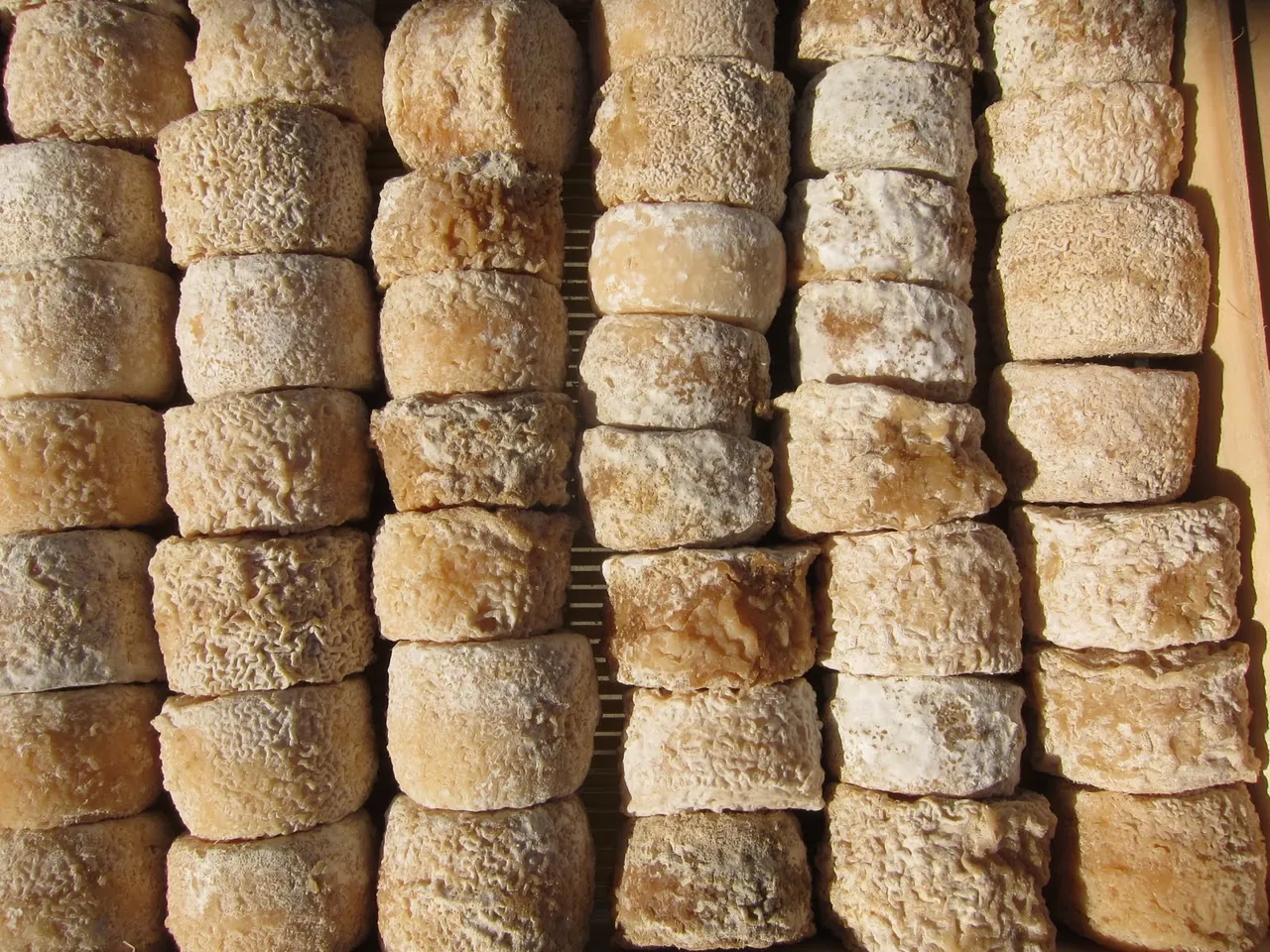
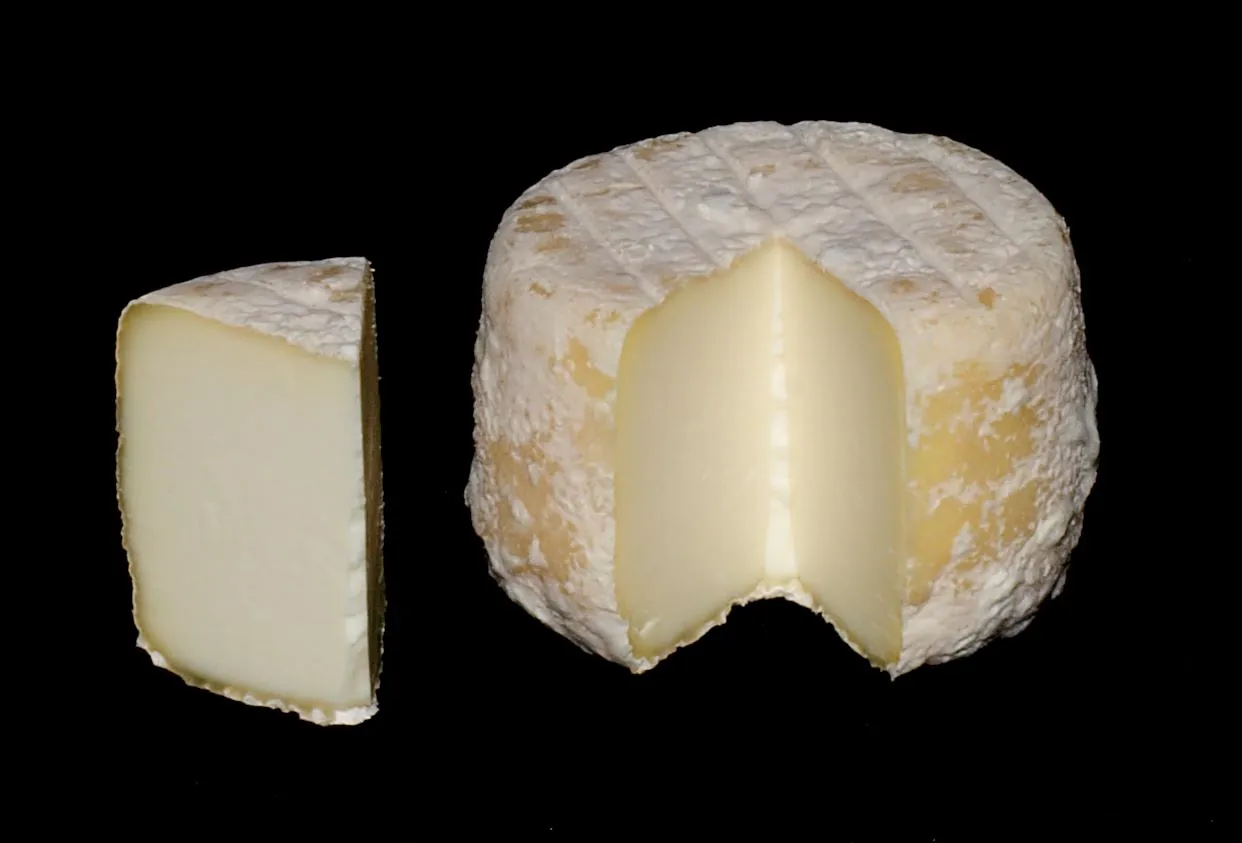
  7. Crottin de Chavignol Markus Lindholm CC BY-SA 2.5
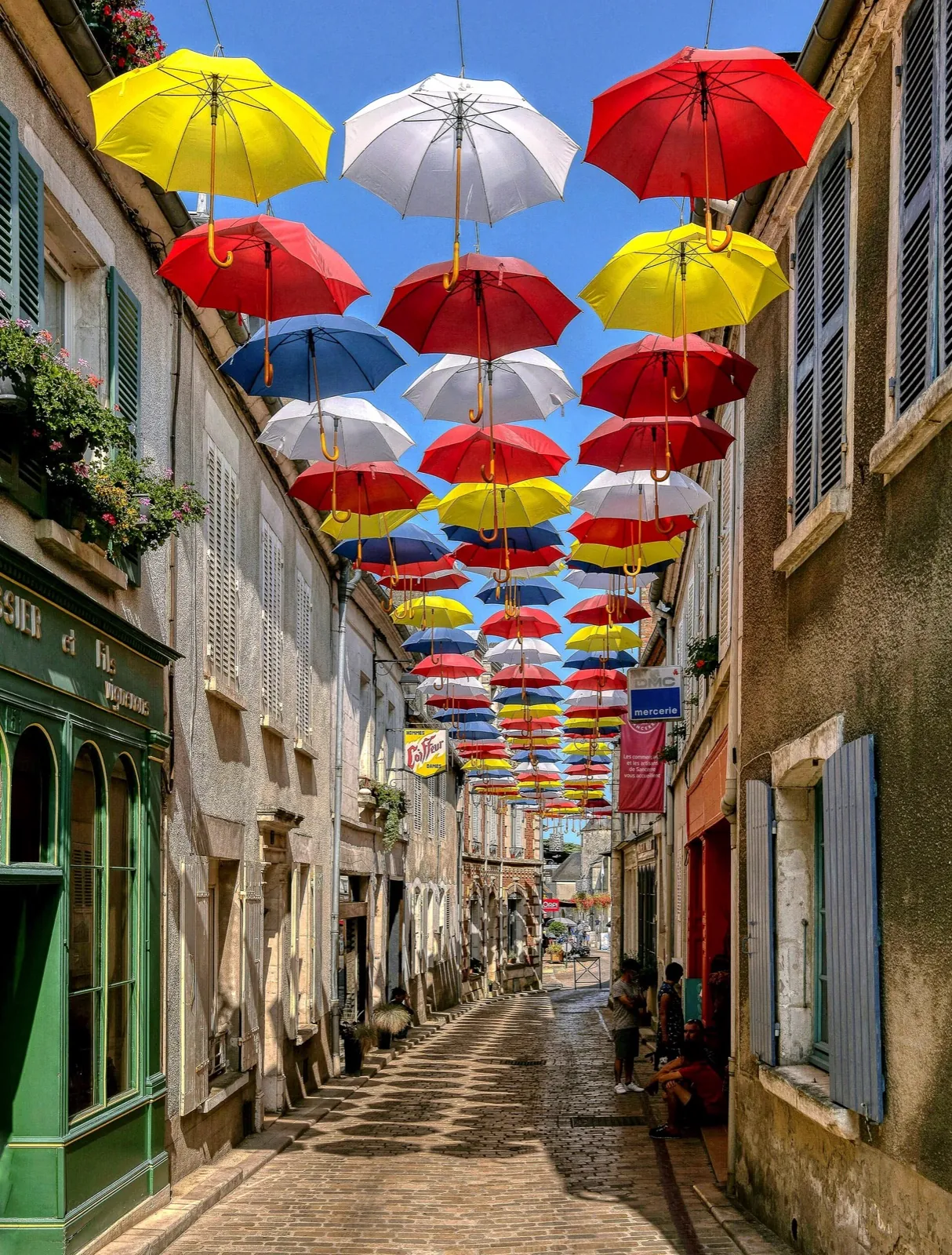
  8. Sancerre, Rue Saint-Jean Rolf Kranz CC BY-SA 4.0
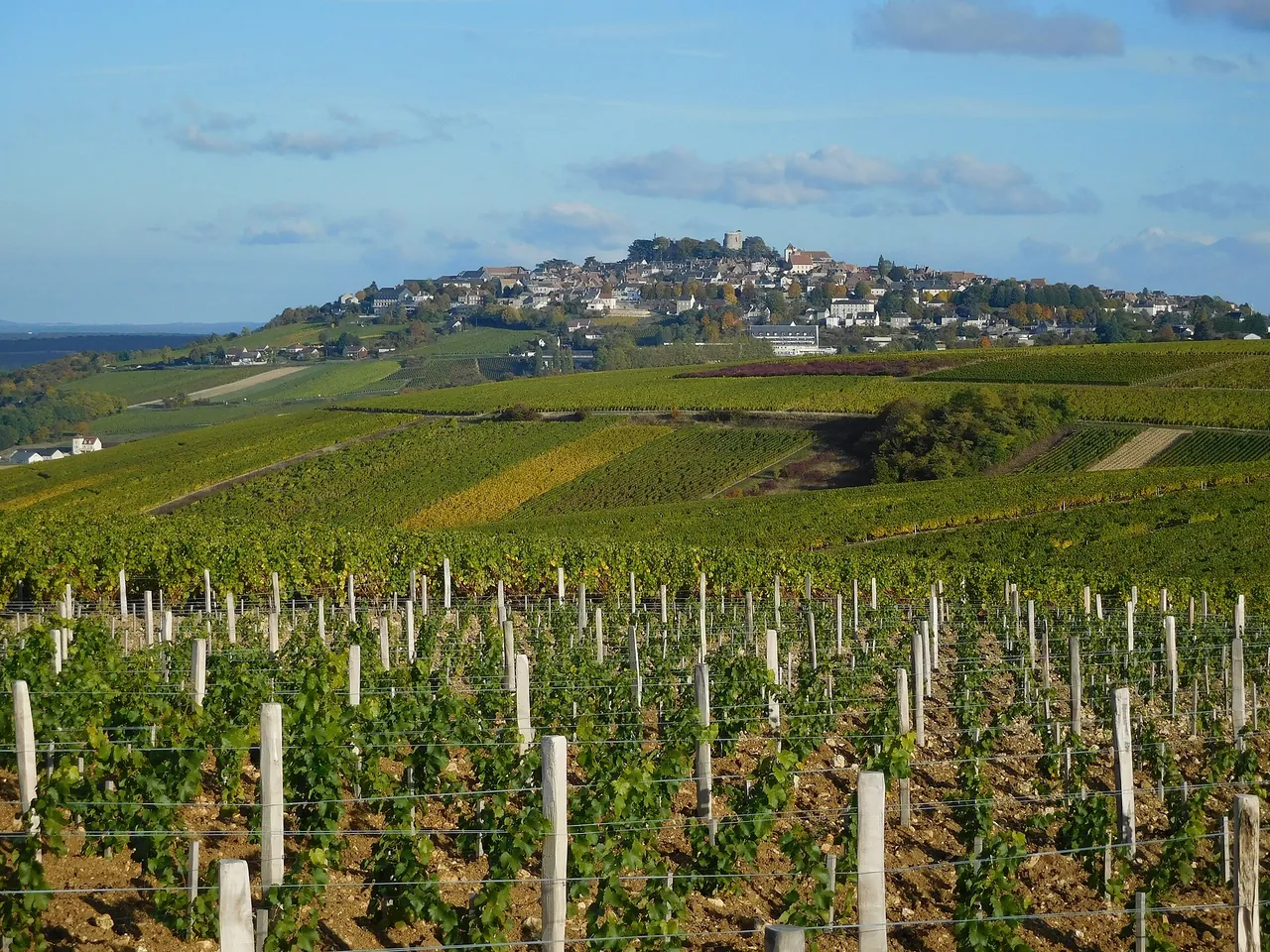
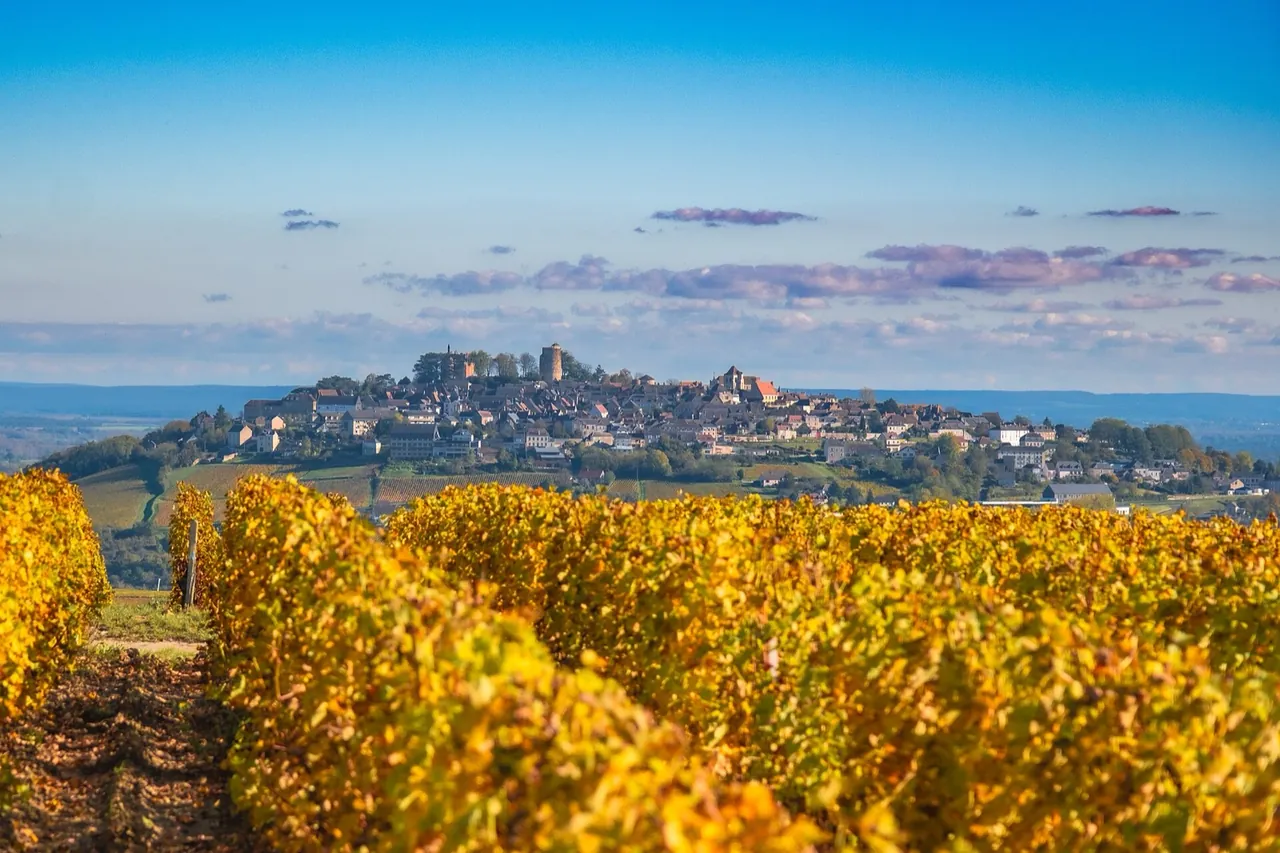
  9. Hilltop town of Sancerre seen across rows of autumnal grapevines Winniepix CC BY 2.0
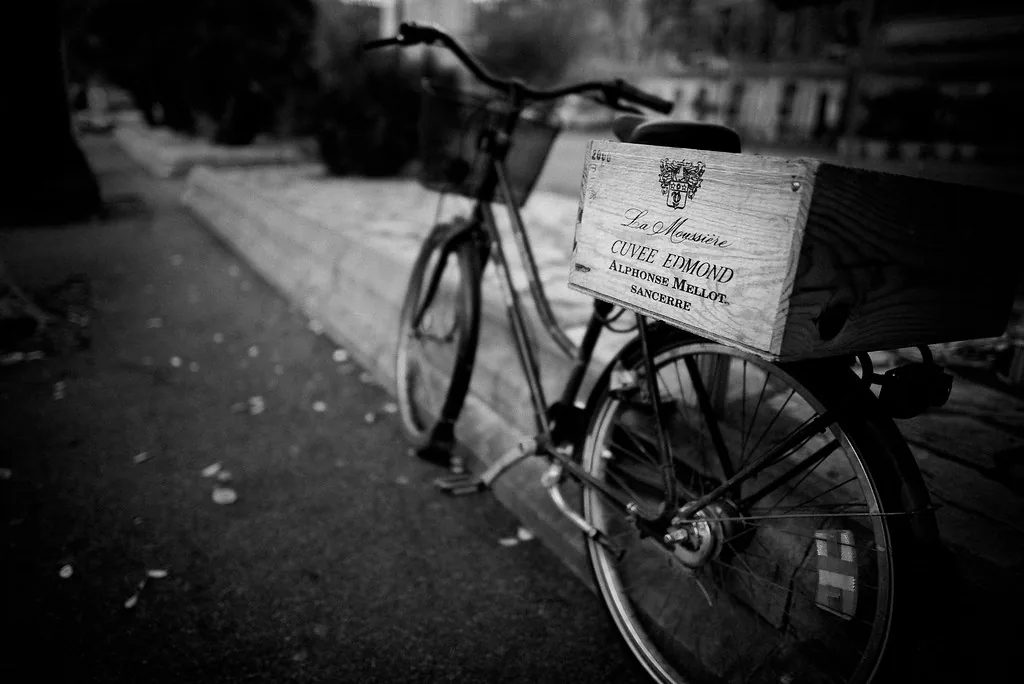
  10. Cuvée Edmond Alphonse Mellot Sancerre Thomas Leth-Olsen CC BY-SA 2.0
  11. Cotat Sancerre dpotera CC BY 2.0
  12. Vignoble sancerrois en septembre, Verdigny Cjp24 CC BY-SA 4.0
  13. Crottin de Chavignol - panoramio Art Anderson CC BY-SA 3.0
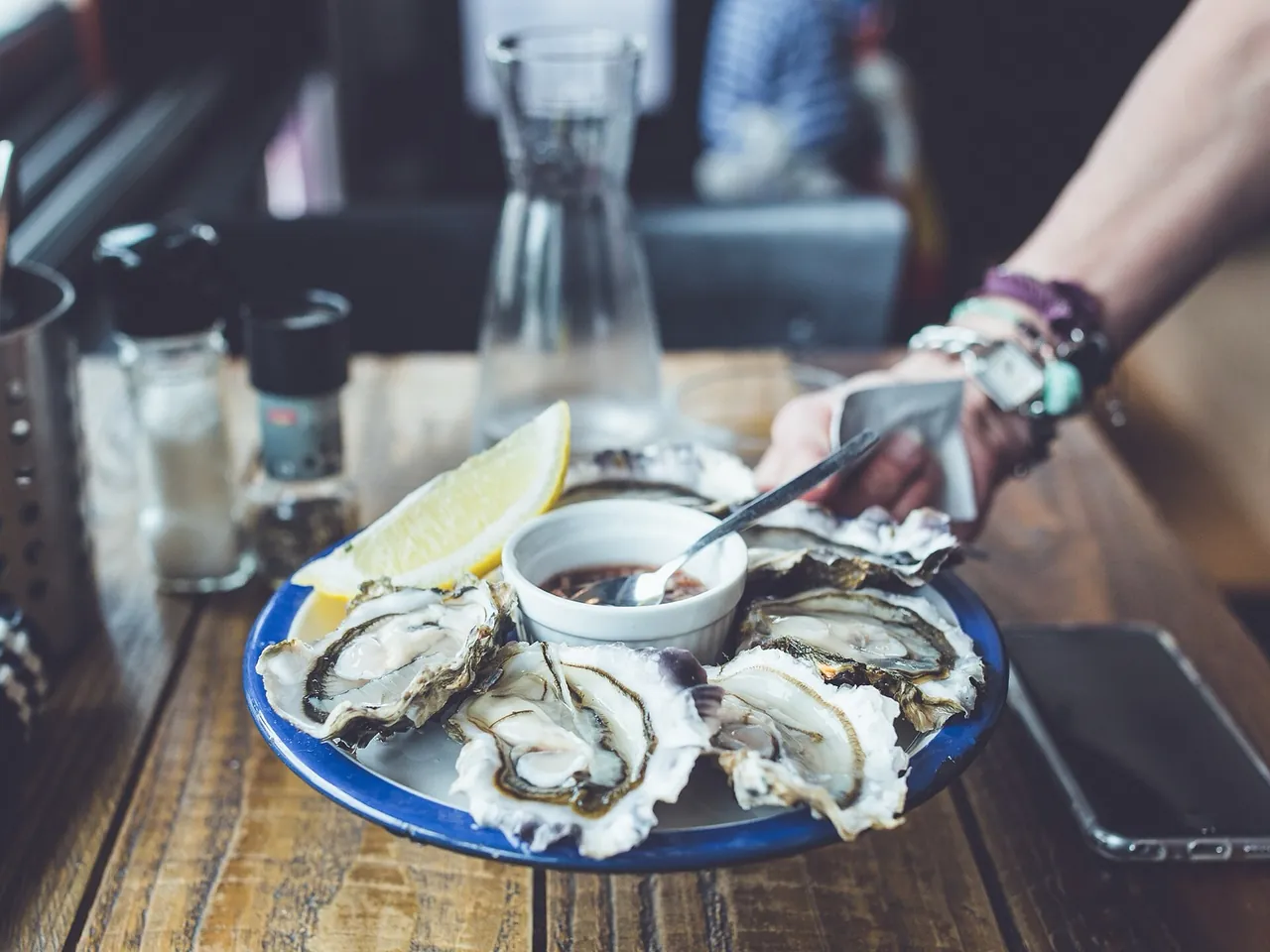
  14. Ordering Oysters (Unsplash) Sweet Ice Cream Photography CC0 1.0

Licences and file details for every image: Image credits.